Skip to content
Tag

Car Wreck

Page 8 of 11 · 55 articles

Heavy traffic on a Texas highway during rush hour, illustrating the worst times to drive.

The Worst Days and Times to Drive in Texas

By Jason H. Howard · Personal Injury

Heavy traffic on a Texas highway during rush hour, illustrating the worst times to drive.
Rush hour congestion on Texas highways—Friday evenings and holiday weekends are the most dangerous times to drive.

Introduction

Texas drivers face unique challenges on the road. With more than 313,000 miles of public roads and some of the highest traffic volumes in the country, it’s no wonder that crash statistics in the Lone Star State are alarming. But when exactly are the roads at their most dangerous?

According to the Texas Department of Transportation (TxDOT) and data from the National Highway Traffic Safety Administration (NHTSA), certain days and times stand out for significantly higher crash and fatality rates. Whether you're commuting or planning a road trip, understanding these trends can help you stay safer behind the wheel.

Most Dangerous Time of Day: 5 PM to 7 PM

Evening rush hour remains the peak window for motor vehicle collisions in Texas.

What the Data Shows:

Why This Time Is Risky:

  • Fatigue after a full workday
  • Aggressive driving and tailgating
  • High levels of distraction from phones or navigation devices

Worst Day of the Week: Friday

Fridays consistently account for the highest number of crashes throughout the week.

According to TxDOT:

  • Fridays made up nearly 17% of all crashes statewide in 2024.
  • Peak crash times are between 2 PM and 8 PM.

Contributing Factors:

  • Increased traffic volume
  • Early alcohol consumption
  • Higher stress and mental fatigue
  • People rushing to events, happy hours, or road trips

Lawyer’s Note: Our firm regularly sees serious injury cases arising from Friday evening crashes. It’s the day where commuter congestion and recreational recklessness intersect.

Late-Night and Early-Morning Risk: Midnight to 3 AM

While fewer cars are on the road in the early morning hours, the severity of crashes increases dramatically.

Risk Factors Include:

  • Drunk driving
  • Drowsy driving, especially among shift workers and truck drivers
  • Low visibility, often paired with higher speeds

Key Statistics:

Deadliest Days: Holiday Weekends

Holidays present a perfect storm of risk on Texas roads.

Top Danger Dates:

  • Fourth of July Weekend (2024: over 50 traffic-related deaths in Texas)
  • Memorial Day
  • Labor Day
  • New Year’s Eve and Day

Common Contributing Factors:

  • Out-of-town travelers unfamiliar with roads
  • Higher alcohol consumption
  • Distracted driving from navigation apps and phones
  • Heavier than normal traffic

Source: Texas Peace Officer’s Crash Report (CR-3), TxDOT Annual Summary

Key Takeaways for Texas Drivers

Being informed can dramatically reduce your chances of a crash. Here’s what to remember:

✅ Avoid the road during 5–7 PM rush hour if possible.

✅ Plan alternative routes or travel days to avoid Friday congestion.

✅ Minimize or avoid late-night driving, especially on weekends.

✅ Avoid holiday travel unless necessary—and never drive impaired.

✅ Always wear your seatbelt, stay off your phone, and use defensive driving techniques.

Injured in a Crash? We’re Here to Help.

If you’ve been involved in an accident—especially during one of these high-risk times—the circumstances and timing can significantly impact liability and the value of your claim.

At the HLAW firm, we’ve helped hundreds of Texans recover compensation after serious car accidents. Let us handle the legal work while you focus on recovery.

📞 Free Consultations | No Fees Unless You Win

Reach out today to schedule a case review and get the answers you need.

Read full article
Shattered car windshield on a city street at night with ambulance and pedestrians in the background, illustrating fault in a Texas personal injury case.

Who’s at fault in a Texas Personal Injury Cases?

By Jesse Lotspeich · Personal Injury

Shattered car windshield on a city street at night with ambulance and pedestrians in the background, illustrating fault in a Texas personal injury case.
Understanding fault in a Texas personal injury case can make or break your claim — here’s how the law handles it.

When you’re injured in an accident, determining who is at fault is a critical step in pursuing compensation. In Texas, fault is established through a legal framework that examines evidence, assigns responsibility, and applies state-specific rules. Here’s what you need to know about how fault is determined in Texas personal injury cases.

Texas Is a Modified Comparative Negligence State

Texas follows the modified comparative negligence rule, which allows you to recover damages as long as you are not more than 50% at fault for the accident. Here’s how it works:

  • If you are 50% or less at fault: You can recover damages, but your compensation will be reduced by your percentage of fault. For example, if you are 20% at fault and your damages total $100,000, you can recover $80,000.
  • If you are more than 50% at fault: You cannot recover any damages, even if the other party is partially to blame.

This rule makes it essential to accurately determine and argue the degree of fault for all parties involved.

Evidence Is Key

To determine fault, both sides will gather and present evidence to support their claims. Common types of evidence include:

  • Police Reports: In cases like car accidents, the police report often contains crucial details about what happened and who may be at fault.
  • Witness Statements: Testimonies from people who saw the accident can provide valuable insight into how it occurred.
  • Photographs and Videos: Images or videos from the scene can help recreate the accident and clarify fault.
  • Expert Testimony: Accident reconstruction experts, medical professionals, and other specialists can provide opinions based on their expertise.
  • Medical Records: These can demonstrate the extent of your injuries and link them to the accident.

Legal Theories of Fault

Fault in personal injury cases is often based on one or more of the following legal theories:

Negligence

Negligence occurs when someone fails to act with reasonable care, causing harm to another person. To prove negligence, you must establish four elements:

  1. Duty of Care: The defendant had a legal obligation to act reasonably under the circumstances.
  2. Breach of Duty: The defendant failed to meet this standard of care.
  3. Causation: The defendant’s actions directly caused your injury.
  4. Damages: You suffered actual harm or losses as a result.

Strict Liability

In some cases, such as defective product claims or certain dog bite cases, the defendant may be held strictly liable. This means they are responsible for your injuries regardless of whether they acted negligently.

Gross Negligence

If the defendant’s actions were particularly reckless or intentional, they may be found grossly negligent, which could lead to punitive damages.

Shared Fault Scenarios

Accidents often involve multiple parties, and Texas’s comparative negligence system accounts for this. In cases with shared fault, the court or insurance adjusters will assign a percentage of fault to each party based on the evidence.

Example: If you were in a car accident and one driver ran a red light while you were speeding, the court might assign 80% fault to the other driver and 20% to you. Your damages would then be reduced accordingly.

Role of Insurance Companies

In many cases, fault is initially determined by insurance companies. They will:

  • Investigate the accident.
  • Review evidence and statements.
  • Assign a percentage of fault to each party.

However, insurance companies are motivated to minimize payouts, so their determination may not always align with the facts. This is where having an experienced personal injury attorney can make a significant difference.

The Court’s Role in Fault Determination

If your case goes to trial, a jury will typically determine fault based on the evidence presented. In a jury trial, the jurors assign percentages of fault to each party and decide on the amount of damages. If the case is tried without a jury, the judge will make these determinations.

Conclusion

Determining fault in a Texas personal injury case involves a combination of evidence, legal principles, and state laws. Because Texas follows a modified comparative negligence rule, accurately establishing fault is critical to ensuring you receive the compensation you deserve. If you or someone you know has been injured, consulting a skilled personal injury attorney can help you navigate this complex process and advocate for your best interests.

Read full article
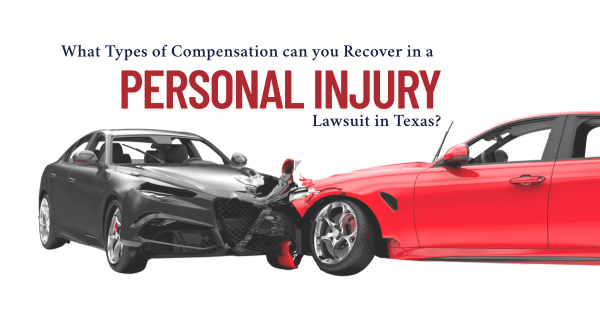
Two cars involved in a front-end collision with text asking what types of compensation are available in a Texas personal injury lawsuit.

What Types of Compensation can you Recover in a Texas Personal Injury Lawsuit?

By Jesse Lotspeich · Personal Injury

Two cars involved in a front-end collision with text asking what types of compensation are available in a Texas personal injury lawsuit.
You may be entitled to compensation for medical bills, lost wages, pain and suffering, and more after an accident in Texas.

If you’ve been injured in Texas due to someone else’s negligence (like a car wreck, truck wreck or injury at a business), you may be entitled to compensation through a personal injury lawsuit. Understanding the types of compensation you can recover is a crucial part of knowing your rights and planning for your future. In Texas, personal injury victims can seek damages in three broad categories: economic damages, non-economic damages, and, in rare cases, punitive damages. Let’s explore each category in detail.

Economic Damages

Economic damages are tangible, measurable losses that you have incurred because of your injury. These damages aim to reimburse you for the financial costs associated with the accident.

Common examples include:

  • Medical Expenses
    • Past medical bills: Costs for emergency care, surgeries, hospital stays, medications, physical therapy, and other treatments you’ve already received.
    • Future medical expenses: Estimated costs for ongoing medical care related to your injury, such as future surgeries, rehabilitation, or assistive devices.

  • Lost Income
    • Lost wages: Compensation for the income you lost while recovering from your injury.
    • Loss of earning capacity: If your injury affects your ability to work in the future or forces you to take a lower-paying job, you can seek damages for the difference in income.

  • Property Damage
    • If your personal property, such as a vehicle, was damaged in the incident, you can recover repair or replacement costs.

  • Other Out-of-Pocket Expenses
    • Expenses like transportation to medical appointments, home modifications for disability access, or the hiring of household help can also be included in economic damages.

Non-Economic Damages

Non-economic damages compensate you for intangible losses that are more subjective and harder to quantify. These damages aim to address the emotional and psychological toll of your injury.

Examples include:

  • Pain and Suffering - Compensation for physical pain and emotional distress caused by your injury.
  • Mental Anguish - Damages for psychological impacts such as anxiety, depression, or post-traumatic stress disorder (PTSD) resulting from the incident.
  • Loss of Enjoyment of Life - If your injury prevents you from enjoying hobbies, activities, or other aspects of life you once loved, you may recover damages for this loss.
  • Loss of Consortium - Spouses or family members may be entitled to compensation for the loss of companionship, care, or support due to the injury.

Punitive Damages

Punitive damages, also known as exemplary damages, are not meant to compensate the victim but to punish the wrongdoer and deter similar conduct in the future. In Texas, punitive damages are only awarded in cases where the defendant’s actions were particularly egregious, such as:

  • Intentional harm
  • Gross negligence
  • Fraud or malice

Punitive damages are subject to caps in Texas. Generally, the amount cannot exceed two times the amount of economic damages plus an equal amount of non-economic damages, up to a maximum of $750,000.

Factors That Affect Your Compensation

Several factors can influence the amount of compensation you receive in a personal injury lawsuit:

  • The severity of your injuries: More severe or permanent injuries typically result in higher compensation.
  • Shared fault: Texas follows a modified comparative negligence rule, meaning your compensation may be reduced if you are found partially at fault for the accident. If you are more than 50% at fault, you cannot recover damages.
  • Insurance policy limits: The defendant’s insurance coverage may limit the amount you can recover.

Conclusion

A personal injury lawsuit in Texas can provide a wide range of compensation to help you recover from the physical, emotional, and financial toll of an accident. From medical expenses and lost wages to pain and suffering and, in some cases, punitive damages, these awards are designed to help you rebuild your life.

If you’ve been injured, consulting an experienced personal injury attorney is the best way to ensure you understand your rights and maximize your compensation. Don’t let the complexities of the legal process stand in your way—take action today and contact HLAW for a free consultation. We want to help you secure the justice and financial support you deserve.

Read full article

What You Should Know About Truck Liability

By Jesse Lotspeich · Personal Injury

What You Should Know About Truck Liability

Truck liability governs the legal obligations of truck drivers, carriers, and other parties after collisions. A clear understanding of these laws is essential for industry participants and for individuals affected by truck accidents. This article examines key liability statutes, fault allocation, insurance requirements, the claims process, and filing deadlines. It also explains how the HLAW Law Firm can assist those navigating these matters.

What Are the Key Truck Accident Liability Laws Governing Commercial Truck Claims?

Truck accident liability statutes determine which parties are responsible for damages following a collision. Liability may be shared among the driver, the trucking company, and third parties such as cargo loaders. Federal regulations, such as those set by the Federal Motor Carrier Safety Administration (FMCSA), establish duties and standards that affect liability. Understanding these rules is necessary for victims seeking compensation.

How Do Federal and State Regulations Define Truck Liability?

Federal and state regulations allocate responsibilities among parties engaged in truck operations. Drivers must comply with prescribed safety standards. Trucking companies must maintain vehicles and train drivers appropriately. Cargo loaders may bear liability if improper loading contributes to an accident. These provisions assist in assigning responsibility after a collision.

What Legal Standards Determine Liability in Commercial Truck Accidents?

To establish liability in commercial truck cases, claimants must meet established legal standards. The concept of negligence requires proof that a party failed to exercise reasonable care and that this failure caused the accident. Records such as driver logs, maintenance documents, and official accident reports are often critical to proving negligence. A precise understanding of these standards is essential to pursue compensation.

How Is Fault Determined in Truck Accidents Involving Driver Negligence?

Fault determinations frequently focus on the driver’s conduct. Conduct such as speeding, distracted driving, and violations of hours of service (HOS) regulations can support a finding of negligence. Evidence collected at the scene—including witness statements and photographs—also plays a central role in establishing fault.

What Constitutes Truck Driver Negligence Under the Law?

Truck driver negligence may include speeding, driving under the influence of alcohol or drugs, and failure to comply with HOS requirements. Each of these actions increases the risk of collisions and corresponding injuries. Identifying what constitutes negligence is necessary to hold drivers accountable.

How Is Negligence Proven in Truck Accident Claims?

Proving negligence requires demonstrating duty, breach, causation, and resulting harm. This typically involves assembling witness testimony, expert analysis, and documentation of the driver’s conduct before the accident. Claimants must present coherent, well-supported evidence to establish negligence and obtain recovery.

What Are the Truck Liability Insurance Requirements for Commercial Vehicles?

Truck liability insurance is mandatory for commercial vehicles to ensure victims can recover for injuries and damages. Familiarity with required coverages is important for both operators and those pursuing claims.

What Types of Insurance Coverage Are Mandatory for Truck Operators?

Commercial truck operators must carry liability insurance to cover harm to third parties. Cargo insurance may be required to protect against loss to goods in transit. Maintaining required policies ensures compliance with federal and state regulations.

How Does Insurance Impact Compensation in Truck Accident Claims?

Insurance policy limits define the maximum recovery available to victims. The negotiation process with insurers can be complex and often benefits from legal expertise to secure a settlement that reflects the claimant’s losses.

What Is the Process for Filing a Commercial Truck Accident Claim?

Filing a commercial truck accident claim requires several procedural steps to protect legal rights. Familiarity with the process helps claimants navigate the legal system and pursue appropriate compensation.

What Steps Should Victims Take to Initiate a Truck Liability Claim?

  • Prioritize medical care for any injuries.
  • Report the accident to law enforcement to obtain an official record.
  • Document the scene with photographs and obtain witness contact information.
  • Preserve all medical and repair records.
  • Contact an attorney experienced in truck accident claims for guidance on next steps.

How Does the Claims Process Address Liability and Compensation?

The claims process normally begins with a thorough investigation to collect evidence establishing liability. Claimants then submit a demand to the insurer detailing damages sought. Negotiations may follow; legal representation can materially influence the outcome of those discussions.

What Are the Statute of Limitations and Timeframes for Truck Accident Lawsuits?

Knowledge of the statute of limitations is essential when pursuing a truck accident lawsuit. Each state prescribes specific filing deadlines, and failure to comply with those timeframes can forfeit the right to seek compensation.

How Long Do You Have to File a Truck Accident Lawsuit?

In Texas, the statute of limitations for filing a truck accident lawsuit is generally two years from the date of the accident. Claimants should act promptly to preserve evidence and initiate legal proceedings within this period.

What Are the Consequences of Missing Legal Deadlines?

Missing statutory deadlines can result in dismissal of claims and a permanent bar to recovery. Awareness of and adherence to applicable time limits is critical to protect legal rights.

How Can HLAW Law Firm Assist with Truck Liability Cases and Legal Representation?

HLAW Law Firm provides legal representation for individuals involved in truck liability matters. With detailed knowledge of truck accident law, the firm assists clients in assessing liability, compiling evidence, and pursuing appropriate claims.

What Expertise Does the Howard Lotspeich Alexander & Williams Law Firm Offer in Commercial Truck Accident Claims?

HLAW Law Firm has experience handling commercial truck claims, including familiarity with FMCSA regulations and the procedures for evidence collection. This expertise supports the development of cases designed to withstand adversarial review.

How to Schedule a Free Consultation for Truck Liability Legal Support?

Individuals seeking legal support for truck liability matters may schedule a free consultation with the HLAW Law Firm by calling (817) 993-9249. During the consultation, clients can discuss case details and receive guidance on appropriate next steps.

Frequently Asked Questions

What Should I Do Immediately After a Truck Accident?

After a truck collision, prioritize your safety and health. Obtain medical attention for any injuries, even those that appear minor. Report the incident to police to secure an official record. Photograph the scene and collect witness contact information. Exchange information with the truck driver and other involved parties, and consult a legal professional experienced in truck accidents for advice on preserving your claim.

Can Multiple Parties Be Held Liable in a Truck Accident?

Yes. Liability may extend beyond the driver to the trucking company, vehicle manufacturers, and third parties such as cargo loaders. Each party’s potential responsibility is assessed based on their actions and legal duties. Recognizing the possibility of shared liability is important to pursue full recovery.

What Role Does Evidence Play in Truck Accident Claims?

Evidence is central to establishing liability and proving negligence. Key items include police reports, witness statements, photographs of the scene, and driver logs. Maintenance records and cargo loading documentation can also be relevant. Collecting and organizing strong evidence is essential to support a claim.

How Can I Ensure Fair Compensation from Insurance Companies?

To pursue fair compensation, document medical expenses, lost wages, and property damage carefully. Retain all supporting records. Legal representation enhances negotiating leverage, as attorneys understand insurer practices and can present a comprehensive case that reflects the full extent of damages.

What Are Common Mistakes to Avoid When Filing a Truck Accident Claim?

Common errors include delaying medical treatment, failing to document the scene, and not preserving critical evidence. Providing recorded statements to insurers without legal advice can also jeopardize a claim. Be mindful of statutory filing deadlines. Consulting experienced counsel helps avoid these pitfalls.

How Does Comparative Negligence Affect My Truck Accident Claim?

Comparative negligence determines how fault is allocated among parties and can reduce recovery when a claimant is partially at fault. If a claimant is found 20% responsible, for example, the recovery will be reduced by 20%. Understanding this principle is important when evaluating potential outcomes.

Conclusion

A clear grasp of truck liability clarifies the responsibilities of drivers, carriers, and other parties after an accident. By understanding liability rules, insurance obligations, and the claims process, victims can better pursue compensation. If you or a loved one has been affected by a truck accident, consider consulting the HLAW Law Firm for expert legal guidance to protect your rights and seek appropriate recovery.


Read full article
Close-up of a courthouse clock symbolizing the statute of limitations for personal injury lawsuits in Texas.

How Long Do You Have to File a Personal Injury Lawsuit in Texas?

By Jesse Lotspeich · Personal Injury

Close-up of a courthouse clock symbolizing the statute of limitations for personal injury lawsuits in Texas.
Don’t miss your window to file a claim—learn the statute of limitations for personal injury cases in Texas.

If you’ve been injured in an accident in Texas, you may be considering filing a personal injury lawsuit to seek compensation for your losses. However, time is of the essence. Texas law sets strict deadlines for filing personal injury claims, and missing these deadlines could mean losing your right to pursue compensation. In this blog post, we’ll explain the statute of limitations for personal injury cases in Texas and what you need to know to protect your legal rights.

What Is the Statute of Limitations?

The statute of limitations is the legal deadline for filing a lawsuit. In Texas, the statute of limitations for personal injury cases is typically two years from the date of the injury. This means you must file your lawsuit within two years of the accident or incident that caused your injuries.

Key Points About the Two-Year Deadline

  1. Accident Date Matters: The clock starts ticking on the date the injury occurred. For example, if you were injured in a car accident on January 1, 2025, you would generally have until January 1, 2027, to file your lawsuit.
  2. Discovery Rule: In some cases, the statute of limitations may begin later if the injury wasn’t immediately discoverable. For example, if you were exposed to a harmful substance and didn’t realize the effects until months later, the clock may start when you discovered or reasonably should have discovered the injury.
  3. Minors and Legal Disabilities: If the injured party is a minor or has a legal disability (e.g., mental incapacitation), the statute of limitations may be tolled (paused) until the minor turns 18 or the legal disability is removed.
  4. Wrongful Death Claims: If the injury results in death, the statute of limitations for filing a wrongful death lawsuit is two years from the date of the person’s death, not the date of the injury.

Exceptions to the Rule

While the two-year statute of limitations is the general rule, there are some exceptions that may shorten or extend the deadline:

  • Claims Against Government Entities: If your injury involves a government entity, such as a city bus or a state employee, you may need to file a notice of claim within six months or less. Failing to do so could bar your lawsuit entirely.
  • Fraud or Concealment: If the at-fault party concealed their role in causing your injury, the statute of limitations may be extended to account for the time it took to uncover the fraud.
  • Statutory Exceptions: Certain laws or circumstances may alter the filing deadline. For example, medical malpractice cases have their own specific deadlines and requirements under Texas law.

Why Acting Quickly Is Important

Even though you technically have two years to file a personal injury lawsuit, waiting too long can hurt your case. Here’s why:

  • Evidence Can Be Lost: Physical evidence, witness memories, and other critical information can fade or disappear over time.
  • Insurance Deadlines: Many insurance companies have their own internal deadlines for filing claims, which are often much shorter than the statute of limitations.
  • Building a Strong Case Takes Time: Gathering medical records, expert opinions, and other documentation is time-intensive. The sooner you start, the better your chances of success.

How to Protect Your Rights

To ensure you don’t miss the deadline for filing your personal injury lawsuit, consider these tips:

  • Consult an Attorney Early: An experienced personal injury attorney can help you understand your legal rights, calculate deadlines, and build a strong case.
  • Document Everything: Keep records of your medical treatments, accident reports, and any communication with insurance companies.
  • Don’t Wait to File: Filing sooner rather than later can help avoid complications and ensure all deadlines are met.

Conclusion

In Texas, you generally have two years from the date of your injury to file a personal injury lawsuit. However, exceptions and special circumstances can alter this timeline. To protect your rights and ensure you don’t miss your chance to seek compensation, it’s crucial to act quickly and consult an experienced attorney. Our attorneys have years of experience dealing with personal injury and wrongful death claims and would be honored to speak to you about your case and talk to you more about your matter. But, if you or a friend or family member have been seriously injured, don’t let time run out on your claim—take action today!

Click Here to contact our office for a free case evaluation.

Read full article

Speak with a Fort Worth attorney

Call (817) 993-9249 or send us a message to discuss your case.