
Skip to content

July 2025

2 articles

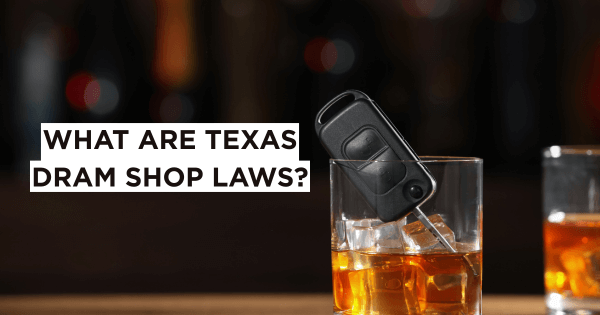
Glass of whiskey with car key inside on a bar counter, symbolizing the dangers of drunk driving and Texas dram shop liability for overserving alcohol.

What You Need to Know About Texas Dram Shop Laws After a Drunk Driving Crash

By Jesse Lotspeich · Personal Injury

Glass of whiskey with car key inside on a bar counter, symbolizing the dangers of drunk driving and Texas dram shop liability for overserving alcohol.
When a night out turns tragic, accountability matters. Under Texas Dram Shop Laws, bars and restaurants may be held liable for over-serving intoxicated patrons who cause drunk driving crashes. Know your rights—and the law.

Drunk driving crashes can shatter lives in seconds—and while the intoxicated driver is the most obvious party at fault, Texas law recognizes that others may share responsibility too. In some cases, bars, restaurants, or other alcohol-serving establishments can be held liable for over-serving someone who later causes a wreck.

This is where Texas dram shop laws come in. If you or a loved one has been injured by a drunk driver, understanding how these laws work may open the door to additional compensation and accountability.

Below, we break down when and how bars can be held liable for drunk driving accidents in Texas, what the law requires to prove liability, and what victims should do after a crash.

What Is a “Dram Shop” in Texas?

The term “dram shop” comes from an old British term for establishments that sold alcohol by the dram (a small unit of liquid). In modern Texas law, a dram shop refers to any business licensed or permitted to sell or serve alcohol—such as a bar, nightclub, or restaurant.

The Texas Dram Shop Act – Key Statute

Texas dram shop liability is governed by the Texas Alcoholic Beverage Code § 2.01–2.03. The most important provision is § 2.02, which lays out the circumstances under which an alcohol provider can be held liable for the actions of a drunk patron.

📜 Texas Alcoholic Beverage Code § 2.02(b):

A provider of alcoholic beverages may be liable if:

  1. It was apparent to the provider that the individual was obviously intoxicated to the extent that he presented a clear danger to himself and others, and
  2. The intoxication was a proximate cause of the damages suffered.

In simpler terms: if a bar over-serves a customer who is clearly drunk, and that customer causes a crash, the bar could be on the hook.

What Is “Obvious Intoxication”?

This is the central question in most dram shop cases.

The statute requires that the signs of intoxication be visible and apparent to a reasonable person. That might include:

  • Slurred speech
  • Staggering or stumbling
  • Aggression or impaired motor skills
  • Inability to pay or communicate clearly
  • Drinking multiple shots or rounds in a short period

If the server or bartender continues to serve alcohol despite those warning signs, the business can be found liable under the Dram Shop Act.

Can Social Hosts Be Liable Too?

No, not usually. Texas law draws a sharp distinction between licensed alcohol providers and private individuals.

Under § 2.02(c) of the Alcoholic Beverage Code, social hosts are not liable unless they provide alcohol to a minor under 18, and they are not the minor’s parent, guardian, or spouse.

What About “Safe Harbor” Protections for Bars?

Texas law also includes a “safe harbor” defense under Alcoholic Beverage Code § 106.14. An establishment may avoid liability if it can show that:

  1. It required its employees to attend a Texas Alcoholic Beverage Commission (TABC)-approved training program,
  2. The employee actually attended that training, and
  3. The employer did not encourage or pressure the employee to violate the law.

However, this defense does not apply if the bar did not follow proper policies, failed to train its staff, or actively encouraged overserving.

How Dram Shop Claims Help Drunk Driving Victims

A drunk driver may be uninsured, underinsured, or financially unable to pay for the full extent of a victim’s injuries. A dram shop claim can provide another source of financial recovery.

Victims may be able to recover compensation for:

  • Medical expenses
  • Lost wages or earning capacity
  • Pain and suffering
  • Punitive damages (in some cases)

Importantly, a dram shop case can also highlight unsafe practices and force establishments to improve their policies to protect the public.

Real-World Example

Imagine a man is served 10 drinks over the course of two hours at a local bar. He’s slurring, stumbling, and knocks over a barstool—but the bartender keeps serving him. On the way home, he crashes into a family’s vehicle, severely injuring the driver.

In this case, the bar may be found partially or fully liable for those injuries under the Texas Dram Shop Act. An experienced personal injury attorney can help gather surveillance footage, witness testimony, and receipts to prove the case.

How Long Do You Have to File a Dram Shop Claim?

Dram shop cases are subject to the Texas personal injury statute of limitations—generally two years from the date of the crash (Texas Civil Practice & Remedies Code § 16.003).

But early investigation is critical. Evidence like video footage, employee schedules, and receipts may disappear quickly. If you believe a bar may have contributed to a drunk driving crash, speak with a qualified attorney as soon as possible.

Final Thoughts

Texas takes drunk driving seriously—and that includes holding alcohol providers accountable when they put profits over public safety. If you’ve been injured by a drunk driver, a dram shop claim may help you find justice and financial relief.

At HLAW, our attorneys understand the emotional and financial toll of a serious crash. We know how to investigate dram shop liability and build strong cases that hold negligent bars and restaurants accountable.

📞 Injured by a Drunk Driver? Call Us Today.

We offer free consultations and handle personal injury cases on a contingency fee basis. Contact us today to see how we can help.
Read full article
Person using smartphone with text overlay: “Social Media Mistakes That Can Ruin Your Texas Personal Injury Case”

Social Media Mistakes That Can Ruin Your Texas Personal Injury Case

By Jesse Lotspeich · Personal Injury

Person using smartphone with text overlay: “Social Media Mistakes That Can Ruin Your Texas Personal Injury Case”
Posting on social media during your injury case can cost you—learn the biggest mistakes to avoid.

Real-World Examples, Legal Pitfalls, and How to Protect Your Claim

In today’s connected world, social media is second nature. Whether it’s a quick photo on Instagram, a status update on Facebook, or a short video on TikTok, we often share snippets of our lives without a second thought. But if you’ve been injured in an accident in Texas and are pursuing a personal injury claim, social media can be your worst enemy.

What you post—intentionally or not—can severely damage your case. Insurance adjusters, defense attorneys, and investigators are scouring public profiles to find anything they can use to deny or reduce your compensation.

In this blog, we’ll share real-world examples of social media backfires, explain how Texas law treats social media evidence, and offer practical legal tips to avoid sabotaging your case.

How Social Media Can Harm a Personal Injury Claim

When you file a personal injury claim in Texas—whether it’s for a car crash, slip and fall, or other injury—you’re essentially stating that you’ve suffered physical, emotional, and financial harm. Any social media activity that appears to contradict those claims can be used against you.

Real Example #1: The “Weekend Warrior” Post

A Fort Worth man filed a claim after a motorcycle accident, citing serious back pain and limited mobility. However, he posted a photo on Facebook just weeks later of himself hiking with the caption, “Back at it!” Defense attorneys used the photo in court to undermine his credibility, and the jury awarded significantly less than what he sought.

Lesson: Even if your pain is manageable or the activity was staged, optics matter. A single photo can shift the entire narrative of your injury.

Relevant Law: Social Media as Admissible Evidence in Texas

Texas courts have consistently recognized social media posts as admissible evidence when relevant to a case. Under the Texas Rules of Evidence (TRE) 401 and 402, evidence is admissible if it makes a fact more or less probable than it would be without the evidence.

Furthermore, under Texas Rule of Civil Procedure 192.3, parties may obtain discovery regarding any matter that is relevant to the subject matter of the lawsuit—including digital content like social media posts.

This means if your post is even arguably related to your physical or emotional state, the opposing side can likely demand it in discovery. Courts have compelled plaintiffs to turn over private content in many Texas cases if it relates to:

  • Physical condition or activities
  • Mental or emotional state
  • Statements about the accident or injury
  • Posts about settlement or legal proceedings

Real Example #2: “Check-In” Gone Wrong

A Dallas woman claimed she was unable to return to work due to debilitating anxiety following a workplace injury. Yet she checked in on Facebook at a local comedy club and posted selfies laughing with friends. The defense used this to challenge her emotional distress claim, arguing she was socially active and enjoying life.

Her settlement offer dropped by nearly 40%.

Lesson: Check-ins, tagged photos, or casual posts can be deceptively damaging—especially when they paint a picture of normalcy or happiness inconsistent with your claims.

Legal Tip: Avoid These Common Social Media Mistakes

If you’re pursuing a personal injury claim in Texas, here are concrete ways to protect yourself online:

✅ Avoid Posting About Your Injury or Accident

Don’t share photos, updates, or opinions about your accident. Anything you say can be interpreted in a way that benefits the defense.

✅ Don’t Accept New Friend Requests

Insurance companies and defense investigators may try to access your private content by posing as someone else. Be cautious of unknown contacts.

✅ Set Your Accounts to Private—But Don’t Delete Posts

Adjust your privacy settings, but do not delete any posts after your accident. Deleting social media content during litigation could be considered destruction of evidence (spoliation) and may subject you to sanctions under Texas Rule of Civil Procedure 215.2.

✅ Tell Friends and Family Not to Post About You

Tagged photos or comments from loved ones can be just as harmful. Ask them to avoid mentioning your injury or activities.

Real Example #3: TikTok Dance Disaster

A teenager in Houston suffered a concussion after a sports-related accident and sued the school for inadequate supervision. A few weeks later, she posted a TikTok dance trend video. The school district’s attorneys cited the video to argue that she was not experiencing symptoms of dizziness or cognitive delays.

While she explained that she was “just trying to push through,” the judge found the evidence persuasive enough to reduce the award.

Protecting Your Case: What Your Attorney Needs to Know

Your attorney should be informed about your social media activity from the start. At our firm, we routinely advise clients on digital behavior and will work to protect your case from potential pitfalls.

If you’re unsure whether something could be problematic, it’s always better to ask than to post.

Final Thoughts: Your Case Is a Legal Matter, Not a Social One

In Texas personal injury cases, your words—and pictures—can absolutely come back to haunt you. What seems like a harmless post may be twisted to paint you as dishonest, exaggerating, or even fraudulent.

The best practice? Go quiet on social media until your case is resolved.

If you have been seriously injured in an accident, contact the HLAW firm today for a free case evaluation.

Read full article

Speak with a Fort Worth attorney

Call (817) 993-9249 or send us a message to discuss your case.