Skip to content

May 2025

Page 4 of 5 · 22 articles

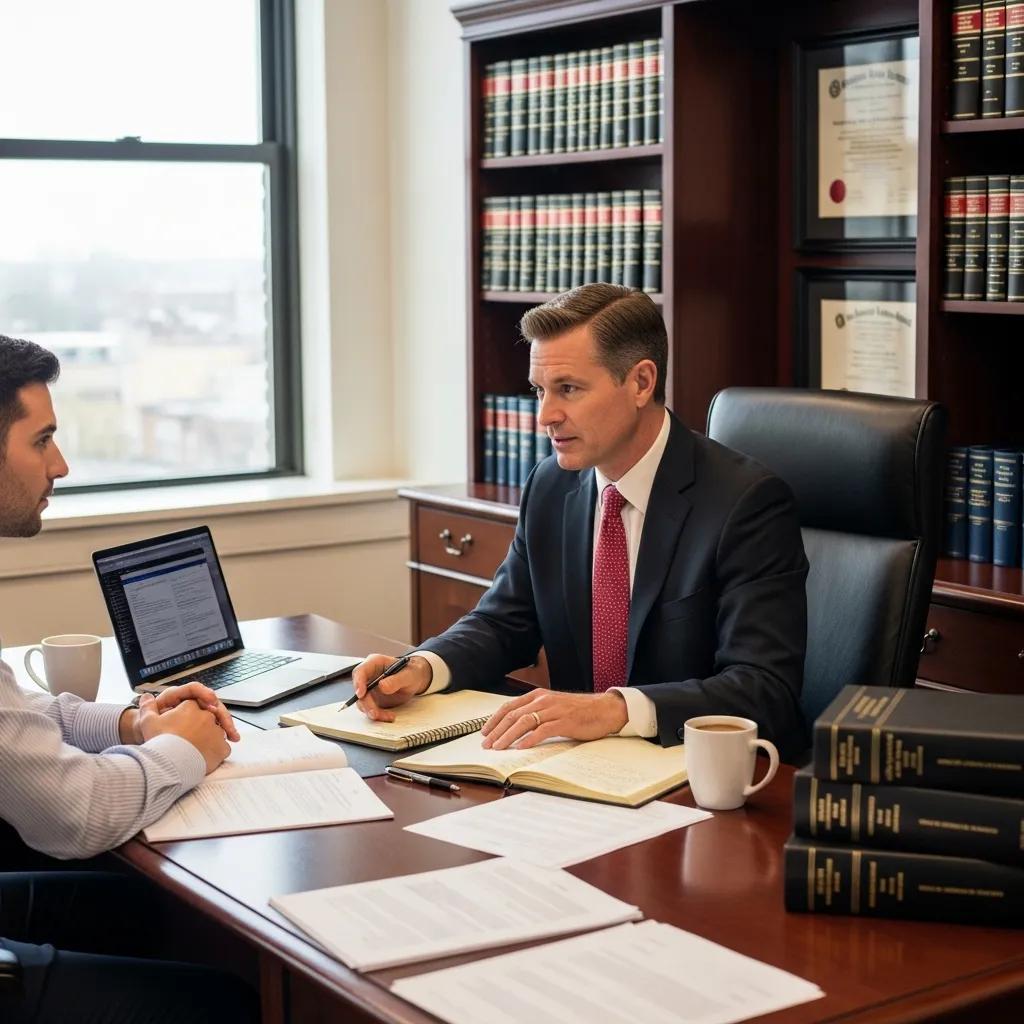
Federal criminal defense attorney consulting with a client in a courtroom

Federal Criminal Defense for North Texas Residents

By Luke A. Williams · Criminal Defense

Federal Criminal Defense Attorney in North Texas: Expert Legal Help for Federal Indictments

Facing federal charges can be an overwhelming experience, especially for residents of North Texas. The complexities of federal law and the potential consequences of a conviction necessitate expert legal representation. This article will explore the critical role of federal criminal defense attorneys, the services they offer, and the significance of having skilled legal counsel when facing federal indictments. We will also discuss the types of federal criminal charges that may affect North Texas residents and the steps to take if you find yourself in such a situation.

Understanding the nuances of federal criminal defense is essential for anyone navigating this challenging legal landscape. With the right attorney, individuals can protect their rights and work towards the best possible outcomes in their cases.

Role and Expertise:

A federal criminal defense attorney specializes in defending individuals accused of federal crimes. Their primary responsibilities include protecting clients' rights, developing legal strategies, and providing guidance throughout the legal process. These attorneys possess a deep understanding of federal laws and procedures, which is crucial for effectively navigating the complexities of federal cases.

Moreover, they are skilled in investigating evidence, negotiating plea deals, and representing clients in court. The expertise of a federal criminal defense attorney can significantly impact the outcome of a case, making their role vital for anyone facing federal charges.

Services Offered:

Federal criminal defense attorneys provide a range of services tailored to the needs of their clients. These services include:

  1. Understanding Federal Charges: Attorneys help clients comprehend the specific charges they face and the potential consequences.
  2. Defense Strategies: They develop personalized defense strategies based on the unique circumstances of each case.
  3. Post-Conviction Options: If a conviction occurs, attorneys can assist with appeals and other post-conviction remedies.

These services are essential for ensuring that clients receive comprehensive legal support throughout their cases.

Significance of Legal Representation:

Having legal representation when facing federal charges is crucial for several reasons. First, a skilled attorney can help clients understand their rights and the legal processes involved. This knowledge is vital for making informed decisions during the case.

Second, attorneys provide guidance through complex legal procedures, ensuring that clients do not inadvertently jeopardize their cases. Finally, effective legal representation can advocate for favorable outcomes, potentially reducing penalties or securing acquittals.

What Are Federal Criminal Charges and How Do They Affect North Texas Residents?

Symbolic representation of federal criminal charges with gavel and scales of justice

Federal criminal charges are serious allegations brought by the federal government against individuals or entities. These charges can have significant implications for North Texas residents, including severe penalties, loss of employment, and damage to reputation.

Types of Federal Criminal Charges

Federal charges can encompass a wide range of offenses, including:

  • White-Collar Crimes: These involve deceitful practices for financial gain, such as fraud and embezzlement.
  • Drug Crimes: Offenses related to the distribution, possession, or manufacturing of illegal substances.
  • Violent Crimes: Serious offenses that may involve harm to individuals, such as robbery or assault.

Understanding the specific type of charge is essential for developing an effective defense strategy.

How Can a Federal Criminal Defense Lawyer in North Texas Protect Your Rights?

A federal criminal defense lawyer plays a crucial role in safeguarding the rights of individuals facing federal charges. They ensure that clients are aware of their rights and help challenge any evidence that may be unlawfully obtained.

Personalized Defense Strategies for Federal Indictments

Attorneys develop tailored defense strategies that consider the unique aspects of each case. This may involve:

  • Mitigating Factors: Identifying circumstances that could lessen the severity of the charges.
  • Challenging Evidence: Disputing the validity of evidence presented by the prosecution.
  • Utilizing Expert Witnesses: Engaging specialists to support the defense's case.

These strategies are designed to provide the best possible defense for clients facing federal indictments.

The Role of Experienced Counsel in White Collar Crime Defense

In cases involving white-collar crimes, experienced counsel is particularly important. These attorneys understand the intricacies of financial regulations and can effectively navigate the complexities of such cases. Their expertise can make a significant difference in the outcome, as they are adept at identifying weaknesses in the prosecution's case and leveraging them for their clients' benefit.

Further emphasizing the distinct nature of white-collar crime defense, research highlights the unique strategies and extensive commitment required from attorneys in these complex cases.

Unique Strategies of Federal Criminal Defense Attorneys

Three themes are particularly noteworthy when distinguishing white-collar crime defense strategies from other defense strategies for lawyers. First, the role of white-collar criminal lawyers is radically different from the typical criminal lawyer who defends persons charged with street crime. For instance, the former spend far more time on each case, both in terms of workload and in terms of calendar time. This implies that a white-collar crime lawyer works on fewer cases in parallel. The white-collar lawyer gets a case much earlier and is far more likely to keep charges from being filed. Second, information control is at the center of the white-collar crime attorney’s work. The lawyer is concerned with acquisition of crucial information and keeps damaging information out of the hands of police investigators and public prosecutors. A third theme centers on a major dilemma of these lawyers: how to vigorously defend the client without thereby becoming a party to the criminal act (Kiser, 1986).

White-Collar Crime Defense Strategies, P Gottschalk, 2014

What Steps Should You Take When Facing a Federal Indictment in North Texas?

If you are facing a federal indictment, it is crucial to take immediate action to protect your rights and interests.

Immediate Legal Actions to Protect Your Case

  1. Consult a Federal Criminal Defense Attorney: Seek legal advice as soon as possible to understand your options.
  2. Do Not Speak to Law Enforcement: Avoid making statements that could be used against you.
  3. Gather Evidence and Documentation: Collect any relevant information that may support your defense.

Taking these steps can help ensure that you are prepared to face the charges against you.

Scheduling a Consultation with a North Texas Federal Defense Law Firm

To schedule a consultation with a federal defense law firm, follow these steps:

  1. Identify the Law Firm: Research local firms specializing in federal criminal defense.
  2. Contact the Firm: Reach out to schedule an appointment, providing any necessary details about your case.
  3. Prepare for the Consultation: Gather relevant documents and questions to discuss during your meeting.

This proactive approach can help you secure the legal representation you need.

Why Choose a North Texas Federal Defense Law Firm for Your Legal Representation?

Welcoming reception area of a North Texas federal defense law firm

Choosing a local law firm for your federal defense needs offers several advantages.

Local Expertise in Federal Courts and Legal Procedures

Local attorneys possess a deep understanding of the federal court system in North Texas. They are familiar with local judges, prosecutors, and legal procedures, which can be beneficial in crafting effective defense strategies.

Client-Centered Approach and Proven Defense Outcomes

A client-centered approach ensures that attorneys prioritize the needs and concerns of their clients. This focus on communication and tailored strategies can lead to more favorable outcomes. Proven success rates in similar cases further demonstrate the effectiveness of local representation.

In conclusion, navigating federal criminal charges requires expert legal assistance. BHW Law Firm specializes in federal criminal defense services tailored for North Texas residents, focusing on providing expert legal representation for individuals facing federal indictments, including white-collar federal crimes. If you find yourself in need of legal support, consider reaching out to a qualified attorney to discuss your case and explore your options.


Read full article
Courtroom scene with a defense attorney arguing a case, emphasizing legal proceedings and justice

How to Challenge Probable Cause Affidavits Effectively

By ardent · 518

Challenging Probable Cause Affidavits and Franks Hearings: Expert Legal Guidance for Evidence Suppression

Challenging probable cause affidavits and navigating Franks hearings are critical components of criminal defense that can significantly impact the outcome of a case. This article provides an in-depth exploration of these legal processes, focusing on their definitions, mechanisms, and the strategies defense attorneys can employ to suppress evidence obtained through flawed affidavits. Many defendants face the daunting challenge of contesting evidence that may have been improperly obtained, which can lead to wrongful convictions. Understanding how to effectively challenge these affidavits is essential for ensuring justice. We will cover the nature of Franks hearings, strategies for evidence suppression, key considerations for defense attorneys, and the legal remedies available after a successful motion.

Understanding Franks Hearings

Franks hearings are judicial proceedings that allow defendants to challenge the validity of probable cause affidavits used to obtain search warrants. The significance of these hearings lies in their ability to scrutinize the accuracy and truthfulness of the information presented by law enforcement.

The strategic decision to pursue a Franks hearing is often a pivotal moment in a criminal defense case, aimed directly at suppressing critical evidence.

Seeking Franks Hearings for Evidence Suppression

Preparlng to Obtami a Franks Hearing. If the case is proceeding towards trial and counsel decides to seek a Franks hearing and suppression of the wiretap evidence, there are several

Tapping into the Wall Street: The Government Employs Tougher Tactics against Money Crimes, 2011

During a Franks hearing, the burden of proof rests on the defendant, who must demonstrate that the affidavit contained false statements or material misrepresentations. A successful challenge can lead to the suppression of evidence obtained through the warrant, potentially altering the course of the case.

Strategies for Evidence Suppression

Defense attorney reviewing evidence and documents in a law office, illustrating legal preparation

Defense attorneys can employ various strategies to suppress evidence obtained through questionable probable cause affidavits. These strategies include:

  1. Challenge the Affidavit: Scrutinizing the affidavit for inaccuracies or omissions that could undermine its validity.
  2. Gather Evidence: Collecting supporting evidence that contradicts the claims made in the affidavit.
  3. Utilize Expert Testimony: Engaging experts to provide testimony on the reliability of the evidence or the methods used in the investigation.

BHW Law Firm specializes in criminal defense with a focus on challenging probable cause affidavits and conducting Franks hearings. Their primary service related to this topic is legal representation and consultation for clients seeking to suppress evidence obtained through flawed affidavits.

Key Considerations for Defense Attorneys

When preparing for a Franks hearing, defense attorneys must consider several important factors. First, robust legal representation is crucial, as the complexities of these hearings require a deep understanding of both procedural and substantive law. Additionally, maintaining clear communication with clients is essential to ensure they understand the process and its implications. Timeliness is also a critical factor; attorneys must act swiftly to file motions and gather necessary evidence to support their case.

Legal Remedies

Gavel striking a sound block, symbolizing court rulings and legal resolutions

After a successful Franks motion, several legal remedies may be available to the defendant. The most significant remedy is the exclusion of evidence obtained through the flawed affidavit, which can severely weaken the prosecution's case. In some instances, a successful motion may even lead to the dismissal of charges against the defendant, providing a pathway to justice.

What Is a Probable Cause Affidavit and How Does It Support Search Warrants?

A probable cause affidavit is a sworn statement made by law enforcement that outlines the facts and circumstances justifying the issuance of a search warrant. This document is crucial in establishing the legal basis for a search, as it must demonstrate that there is a reasonable belief that evidence of a crime will be found in the location specified. The legal significance of a probable cause affidavit lies in its role in protecting individuals' Fourth Amendment rights against unreasonable searches and seizures.

Defining Probable Cause Affidavits in Criminal Defense Contexts

In the context of criminal defense, probable cause affidavits serve as a foundational element for obtaining search warrants. These affidavits must meet specific legal standards to be deemed valid. The purpose of these documents is to provide a factual basis for law enforcement's actions, ensuring that searches are conducted lawfully and with appropriate justification.

Legal Standards Governing Affidavit Validity and Accuracy

The validity of a probable cause affidavit is governed by strict legal standards that require accuracy and truthfulness. Common inaccuracies that can undermine an affidavit's validity include false statements, omissions of critical information, and reliance on unverified sources. Understanding these standards is essential for defense attorneys seeking to challenge the admissibility of evidence.

Affidavit Aspect Requirement Consequence of Violation
Truthfulness All statements must be true Potential for evidence suppression
Completeness Must include all material facts Invalidates the warrant
Verification Information must be corroborated Weakens the affidavit's credibility

This table illustrates the critical aspects of affidavit validity and the consequences of failing to meet these requirements.

How Can You Challenge Affidavit Evidence Through a Franks Hearing?

Challenging affidavit evidence through a Franks hearing involves a specific legal process. The defendant must file a motion that outlines the basis for the challenge, typically asserting that the affidavit contains false statements or material omissions. The court will then hold a hearing to evaluate the evidence presented by both parties. If the defendant successfully proves that the affidavit was flawed, the court may suppress the evidence obtained as a result.

Legal scholarship further emphasizes the importance of challenging the factual validity of affidavits to achieve evidence suppression.

Challenging Affidavit Factual Validity for Evidence Suppression

to challenge the factual validity of a facially sufficient affidavit.Both courts require that the trial judge grant a hearing to determine if the affidavit upon which a search warrant was issued

Criminal Procedure-Suppression of Evidence-Attacking the Factual Validity of a Facially Sufficient Affidavit, 1974

Procedural Steps in Filing and Arguing a Franks Motion

Filing and arguing a Franks motion involves several procedural steps:

  1. Filing the Motion: The defense must submit a written motion to the court, detailing the grounds for the challenge.
  2. Burden of Proof: The defendant must demonstrate that the affidavit contained false statements or material misrepresentations.
  3. Court's Decision: After reviewing the evidence, the court will decide whether to grant the motion and suppress the evidence.

Requirements to Prove Affidavit Falsity or Material Misrepresentation

To successfully challenge a probable cause affidavit, the defendant must meet specific requirements. This includes making a substantial preliminary showing that the affidavit contained false statements or that material facts were omitted. The necessity of proving the false statement's impact on the warrant's validity is crucial for the success of the motion.

Indeed, the stringent requirements placed on defendants to demonstrate affidavit falsity are a critical aspect of these legal challenges.

Defendant Requirements for Challenging Affidavit Veracity

The requirements that a defendant make a substantial preliminary showing supported by an affidavit and that he must allege the falsity of a material fact are especially objectionable.

Challenging the Veracity of a Facially Sufficient Search Warrant Affidavit: The Truth Is Relevant, 1979

What Are the Special Considerations for Juvenile Franks Hearings?

Juvenile Franks hearings present unique challenges and considerations. The legal protections afforded to juvenile defendants differ from those available to adults, necessitating a tailored approach. Defense attorneys must be aware of the specific procedural rules governing juvenile court proceedings and the additional safeguards in place to protect the rights of young defendants.

What Are the Legal Outcomes and Implications of a Successful Franks Motion?

A successful Franks motion can lead to significant legal outcomes, including the suppression of evidence that may have been pivotal to the prosecution's case. This suppression can alter the dynamics of the case, potentially leading to a dismissal of charges or a more favorable plea agreement for the defendant.

Impact on Evidence Suppression and Case Dismissal Possibilities

The impact of a successful Franks motion on evidence suppression can be profound. By eliminating key evidence, the prosecution may find it challenging to prove its case beyond a reasonable doubt. This can open the door for case dismissal or reduced charges, significantly benefiting the defendant.

Statistical Success Rates and Strategic Defense Benefits

Understanding the statistical success rates of Franks motions can inform defense strategies. While the success of these motions can vary based on the specifics of each case, having a well-prepared legal strategy can enhance the likelihood of a favorable outcome. Defense attorneys should leverage their knowledge of legal standards and procedural nuances to maximize the chances of success in challenging probable cause affidavits.

Read full article
Fort Worth attorney consulting with a client about sex crimes defense

Sex Crimes Defense: Fort Worth Attorneys

By ardent · 518

Sex Crimes Defense Fort Worth Attorneys: Expert Legal Representation and Client Advocacy

Facing allegations of sex crimes can be a daunting experience, often leading to severe legal consequences and emotional turmoil. This article aims to provide a comprehensive overview of sex crimes defense, focusing on the expertise of Fort Worth attorneys who specialize in this sensitive area of law. Readers will learn about effective defense strategies, the qualifications necessary for attorneys, and the significance of having legal support during such challenging times. Understanding the legal definitions and penalties associated with sex crimes in Texas is crucial for anyone involved in these cases. This guide will also explore how Fort Worth attorneys develop tailored defense strategies and what clients can expect during the legal process.

Effective Defense Strategies:

When it comes to defending against sex crime charges, various strategies can be employed to protect the rights of the accused. These strategies often hinge on the specifics of the case and the evidence presented. Here are some common defense strategies:

  1. Consent as a Defense: In some cases, establishing that consent was given can be a powerful defense against allegations of sexual assault.

Further emphasizing the importance of this defense, legal scholarship highlights the necessity for the defendant to actively raise the issue of consent.

Raising Consent as a Defense in Sex Crime Cases

In most states, however, the defendant must raise the issue of consent as a defense before the prosecution must prove lack of consent beyond a reasonable doubt.

The Texas condom-rape case: caution construed as consent, 1993

  1. Mistaken Identity Arguments: Challenging the identification of the accused can lead to reasonable doubt, which is essential in criminal cases.
  2. Challenging Evidence: Defense attorneys may scrutinize the evidence for any inconsistencies or violations of rights during the investigation.

These strategies highlight the importance of a well-rounded defense approach tailored to the unique circumstances of each case.

Attorney Qualifications:

Legal document and gavel representing attorney qualifications in sex crimes defense

Choosing the right attorney for a sex crimes defense is critical. A qualified attorney should possess specific qualifications that enhance their ability to represent clients effectively. Key qualifications include:

  • Proven Track Record: An attorney with a history of successful outcomes in sex crime cases can instill confidence in clients.
  • Knowledge of Local Laws: Familiarity with Texas laws and the local court system is essential for navigating the complexities of sex crime cases.
  • Negotiation Skills: Strong negotiation skills can lead to favorable plea deals or reduced charges.

These qualifications ensure that clients receive competent and effective legal representation.

Significance of Legal Support:

Fort Worth attorney providing emotional support to a client facing sex crime allegations

Having legal representation during a sex crime case is vital for several reasons. An attorney provides essential support that can significantly impact the outcome of the case. Key reasons include:

While legal support offers crucial emotional guidance, the core of effective defense relies on objective legal analysis, which often requires setting aside emotional considerations.

Legal Analysis in Sexual Assault Litigation

to sexual assault litigation and the objective nature of legal analysis which eschews the idea that emotions have any rightful place in the law.

Sex crimes litigation as hazardous duty: Practical tools for trauma-exposed prosecutors, defense counsel, and paralegals, 2013

  • Protection of Rights: Attorneys ensure that the rights of the accused are upheld throughout the legal process.
  • Emotional Support: Facing such serious allegations can be emotionally taxing; having a legal advocate can provide reassurance and guidance.
  • Long-term Consequences of Convictions: A conviction can lead to severe penalties, including imprisonment and registration as a sex offender. Legal support can help mitigate these risks.

For those seeking legal representation, BHW Law Firm offers expert guidance and advocacy tailored to individual needs.

What Are the Legal Definitions and Penalties for Sex Crimes in Texas?

Understanding the legal definitions and penalties for sex crimes in Texas is crucial for anyone involved in these cases. Below is a comparison of various sex crimes and their associated penalties.

Crime Type Definition Penalty
Sexual Assault Engaging in sexual contact without consent 2-20 years imprisonment
Child Sexual Abuse Engaging in sexual conduct with a minor 5-99 years imprisonment
Indecent Exposure Exposing oneself in a sexual manner to others Up to 1 year in jail

This table illustrates the serious nature of sex crimes and the potential consequences for those convicted.

How Does Texas Penal Code Define Sexual Assault and Child Sexual Abuse?

The Texas Penal Code provides specific definitions for sexual assault and child sexual abuse, outlining the legal criteria necessary for prosecution.

  • Criteria for Sexual Assault: Sexual assault is defined as any non-consensual sexual contact, which can include a range of actions from unwanted touching to rape.
  • Legal Implications of Child Sexual Abuse: This crime involves engaging in sexual conduct with a minor, which carries severe penalties due to the vulnerability of the victim.
  • Penalties Outlined in the Penal Code: The penalties for these crimes vary significantly, reflecting the seriousness with which the state treats such offenses.

Understanding these definitions is essential for anyone facing allegations or involved in a related legal matter.

What Are the Potential Penalties for Sex Crime Charges in Fort Worth?

The potential penalties for sex crime charges in Fort Worth can be severe and vary based on the nature of the crime. Here are some examples of penalties associated with specific charges:

  1. Continuous Sexual Abuse of a Child: This charge can result in a minimum of 25 years to life imprisonment.
  2. Indecent Exposure: A conviction can lead to up to 1 year in jail and fines.
  3. Statutory Rape: This can result in significant prison time, often ranging from 2 to 20 years.

These penalties underscore the importance of having a skilled attorney to navigate the complexities of the legal system.

How Do Fort Worth Attorneys Develop Effective Defense Strategies for Sex Crimes?

Fort Worth attorneys employ various methods to develop effective defense strategies for sex crime cases. Key approaches include:

  • Identifying Legal Defenses: Attorneys analyze the specifics of each case to identify applicable defenses.
  • Case Analysis Techniques: Thorough examination of evidence and witness statements is crucial for building a strong defense.
  • Client Advocacy Methods: Attorneys advocate for their clients' best interests, ensuring that their rights are protected throughout the legal process.

These strategies are essential for mounting a robust defense against serious allegations.

What Are Common Defense Approaches for Sexual Assault and Child Sexual Abuse Cases?

In sexual assault and child sexual abuse cases, several common defense approaches can be utilized:

  1. Consent Arguments: Demonstrating that consent was given can be a powerful defense.

Specifically within Texas, the legal landscape surrounding consent can involve complex nuances, such as the historical 'promiscuity defense' in sexual assault statutes.

Texas Promiscuity Defense in Sexual Assault Cases

defense appeared in a Texas sexual assault statute, a defendant would seemingly not have to raise the issue of consent to trigger the promiscuity defense.

Adolescents in jeopardy: An analysis of Texas' promiscuity defense for sexual assault, 1992

  1. Mistaken Identity Defenses: Challenging the accuracy of witness identifications can create reasonable doubt.
  2. Challenging Accuser Credibility: Scrutinizing the credibility of the accuser can weaken the prosecution's case.

These approaches highlight the importance of a tailored defense strategy in achieving favorable outcomes.

How Does BHW Law Firm Personalize Defense Strategies for Clients?

BHW Law Firm takes a personalized approach to defense strategies, ensuring that each client's unique circumstances are considered. Key aspects of this approach include:

  • Understanding Client Needs: Attorneys take the time to understand the specific details of each case and the client's concerns.
  • Developing Tailored Strategies: Based on the client's situation, attorneys create customized defense plans that address the unique challenges of the case.
  • Maintaining Communication: Regular communication with clients ensures they are informed and involved in their defense process.

This personalized approach is crucial for effective legal representation.

What Should Clients Expect During the Consultation and Legal Process?

Clients seeking legal representation for sex crimes should know what to expect during the consultation and legal process. Key points include:

  • Initial Meeting Procedures: The first consultation typically involves discussing the case details and the client's concerns.
  • Timeline of Legal Proceedings: Clients should be informed about the expected timeline for their case, including key milestones.
  • Potential Outcomes: Attorneys will outline possible outcomes based on the specifics of the case and the evidence available.

Understanding these aspects can help clients feel more prepared and informed.

How to Schedule a Consultation with a Fort Worth Sex Crime Defense Attorney?

Scheduling a consultation with a Fort Worth sex crime defense attorney is a straightforward process. Here’s how to do it:

  • Contact Information: Reach out to BHW Law Firm at (817) 993-9249 to schedule your consultation.
  • Preparation for the Call: Have relevant information about your case ready to discuss during the consultation.
  • Office Location: The firm is located at 930 W. 1st St., Suite 202, Fort Worth, TX 76102.

Taking these steps can help ensure a productive initial meeting.

What Are the Key Steps in the Criminal Defense Process for Sex Crimes?

The criminal defense process for sex crimes involves several key steps:

  1. Initial Consultation: Meeting with an attorney to discuss the case and gather information.
  2. Case Assessment: The attorney reviews the evidence and develops a defense strategy.
  3. Trial Process: If the case goes to trial, the attorney will represent the client in court.

Understanding these steps can help clients navigate the legal process more effectively.

Why Choose a Fort Worth Sex Crime Defense Attorney for Legal Help?

Choosing a Fort Worth sex crime defense attorney offers several benefits:

  • Expertise in Local Laws: Attorneys familiar with Texas laws can provide valuable insights and strategies.
  • Client Advocacy Strategies: Skilled attorneys advocate for their clients' rights and interests throughout the legal process.
  • Support During Legal Proceedings: Having a knowledgeable attorney can alleviate stress and provide guidance during a challenging time.

These factors make it essential to seek professional legal help when facing sex crime allegations.

What Credentials and Experience Should You Look for in a Sex Crime Lawyer?

When selecting a sex crime lawyer, consider the following credentials and experience:

  • Specialization in Criminal Defense: Look for attorneys who specialize in sex crimes and have a proven track record.
  • Experience with Similar Cases: An attorney with experience in cases similar to yours will be better equipped to handle your defense.
  • Understanding of Legal Defenses: A knowledgeable attorney should be well-versed in various legal defenses applicable to sex crime cases.

These criteria can help ensure that you choose a competent and effective attorney.

How Do Client Testimonials and Case Studies Demonstrate Successful Defense Outcomes?

Client testimonials and case studies can provide valuable insights into the effectiveness of a law firm’s defense strategies. Key points include:

  • Importance of Client Feedback: Positive testimonials can indicate a law firm's ability to achieve favorable outcomes.
  • Case Study Examples: Reviewing past cases can illustrate how attorneys have successfully defended clients against serious charges.
  • Building Trust with Potential Clients: Demonstrating successful defense outcomes can help build trust and confidence in potential clients.

These elements highlight the importance of choosing a law firm with a strong reputation in sex crimes defense.

Read full article
Courtroom scene illustrating the legal process of probation revocation with a judge and lawyer

Defending Against Probation Revocation

By ardent · 518

Defending Against Probation Revocation: Essential Legal Guidance and Defense Strategies

Probation revocation can be a daunting experience for individuals who find themselves facing allegations of violations. Understanding the legal landscape surrounding probation revocation is crucial for anyone navigating this complex process. This article provides essential guidance on defending against probation revocation, outlining effective strategies, common challenges, and best practices. By equipping yourself with knowledge about the probation violation hearing process, you can better protect your rights and prepare for potential outcomes. We will explore key considerations, effective defense strategies, and the importance of legal representation, particularly from firms like BHW Law Firm, which specializes in criminal defense with a focus on probation revocation.

Key Considerations

Understanding the essential factors in probation revocation is critical for anyone on probation. A probation violation can occur for various reasons, including failure to comply with specific terms set by the court, such as missing appointments, failing drug tests, or committing new offenses. The consequences of a violation can be severe, potentially leading to incarceration. Therefore, it is vital to grasp the terms of your probation and the implications of any alleged violations. Engaging skilled legal representation can significantly impact the outcome of your case, ensuring that your rights are protected throughout the process.

Effective Defense Strategies

Lawyer consulting with a client about defense strategies for probation revocation

Strategies to effectively defend against probation revocation can vary based on the specifics of each case. Here are some common approaches:

  1. Challenge Evidence: Disputing the evidence presented against you can be a powerful defense. This may involve questioning the validity of drug tests or the credibility of witnesses.
  2. Negotiate Alternatives: In some cases, negotiating alternative consequences, such as additional probation or community service, may be possible instead of facing revocation.
  3. Prepare for the Hearing: Thorough preparation for the hearing is essential. This includes gathering evidence, securing witnesses, and understanding the legal arguments that can be made in your favor.

For those facing probation revocation, consulting with a legal expert can provide tailored defense strategies that align with your specific situation. BHW Law Firm can assist in navigating these complexities, ensuring that you are well-prepared for your hearing.

Understanding the nuances of defense strategies, especially concerning technical violations, is crucial for a robust defense.

Defense Strategies for Technical Probation Violations

the probation process may be used as a strategy to dispose of difficult cases. In these situations, the prosecution and defence that probation can be revoked on a technical violation or a

A study of probation revocations for technical violations in Hays County,

Texas, USA, 2007

Common Challenges

Challenges faced during probation revocation hearings can significantly impact the outcome of your case. One major challenge is the severity of the alleged violations. Courts often take violations seriously, especially if they involve new criminal activity. Additionally, the principle of Res Judicata may apply, meaning that if a violation has been previously adjudicated, it may not be revisited in the same manner. Understanding these challenges can help you formulate a more effective defense strategy.

Best Practices

Best practices for individuals facing probation revocation include:

  • Stay Informed: Regularly review the terms of your probation and stay updated on any changes in the law that may affect your case.
  • Maintain Open Communication: Keep in touch with your probation officer and be proactive in addressing any concerns they may have.
  • Document Everything: Keep detailed records of your compliance with probation terms, including attendance at meetings and completion of required programs.

These practices can help demonstrate your commitment to fulfilling your probation requirements and may positively influence the court's decision.

What Is the Probation Violation Hearing Process in Texas?

The probation violation hearing process in Texas involves several key steps. Initially, a notice of violation is issued, outlining the specific allegations against the probationer. Following this, a hearing is scheduled where both the prosecution and defense present their cases. The court will then evaluate the evidence and determine whether a violation occurred. Understanding this process is crucial for anyone facing a probation violation, as it allows for better preparation and strategy formulation.

Further insights into the specific procedural steps involved in Texas probation revocation cases highlight the importance of understanding each stage.

Understanding Probation Revocation Process

context of probation revocation proceedings, first nationally, second in other states, and third, in Texas. This Section will explain the process of probation revocation in Texas.

Revocation without Confrontation, 2025

How Does a Probation Violation Hearing Proceed?

During a probation violation hearing, the process typically begins with the judge explaining the nature of the allegations. The defendant has the right to present evidence and witnesses in their defense. The prosecution must prove the violation by a preponderance of the evidence, which is a lower standard than in criminal trials. Potential outcomes of the hearing can range from dismissal of the violation to revocation of probation, depending on the evidence presented.

What Are the Roles of the Defendant, Probation Officer, and Court?

In a probation violation hearing, each participant has distinct responsibilities:

  • Defendant: The individual facing the violation has the right to defend themselves, present evidence, and challenge the prosecution's claims.
  • Probation Officer: The probation officer typically presents evidence of the alleged violations and may provide testimony regarding the defendant's compliance with probation terms.
  • Court: The court's role is to evaluate the evidence presented by both sides and make a determination regarding the violation.

Understanding these roles can help defendants navigate the hearing process more effectively.

What Legal Rights Do You Have During Probation Revocation Proceedings?

Individual reviewing legal documents to understand rights during probation revocation proceedings

During probation revocation proceedings, defendants have several legal rights, including:

  • Right to Legal Representation: Defendants have the right to hire an attorney to represent them during the hearing.
  • Right to Present Evidence: Individuals can present evidence and call witnesses to support their defense.
  • Right to a Fair Hearing: The court must conduct the hearing in a fair manner, allowing both sides to present their cases.

A deeper examination of the procedural aspects and rights within probation violation hearings reveals the critical elements for a fair process.

Probation Violation Hearings: Rights & Procedures

process at probation violation hearings when examined through a litigation focused lens. This will involve a comparison of the rights and procedures for probation violation hearings as

Revocation Reconsidered: Probation Advocacy Through a Litigation Lens, 2026

Being aware of these rights is essential for ensuring a fair process.

How Can You Protect Your Rights at a Probation Violation Hearing?

To protect your rights during a probation violation hearing, consider the following steps:

  • Remain Silent: Avoid making statements that could be used against you.
  • Hire a Qualified Attorney: Engaging a skilled attorney can provide you with the necessary legal guidance and representation.
  • Gather Evidence: Collect any documentation or witness statements that support your case.

These actions can help safeguard your rights and improve your chances of a favorable outcome.

When Should You Seek Legal Counsel for Probation Revocation?

Seeking legal counsel for probation revocation is advisable when:

  • You Receive a Notice of Violation: If you are notified of a potential violation, consulting an attorney can help you understand your options.
  • You Face Serious Allegations: If the allegations involve new criminal activity or significant violations, legal representation is crucial.
  • You Are Unsure of Your Rights: If you are unclear about your legal rights during the process, an attorney can provide clarity and guidance.

BHW Law Firm specializes in assisting clients with probation revocation cases, ensuring that your rights are protected throughout the process.

Which Defense Strategies Are Effective Against Probation Revocation in Texas?

Effective defense strategies against probation revocation in Texas include:

  1. Challenging Evidence: Disputing the validity of the evidence presented can weaken the prosecution's case.
  2. Negotiating with Prosecutors: Engaging in discussions with prosecutors may lead to alternative resolutions, such as additional probation or community service.
  3. Understanding Legal Standards: Familiarizing yourself with the legal standards for probation violations can help in formulating a strong defense.

These strategies can significantly impact the outcome of a probation revocation hearing.

What Are Common Legal Defenses to Probation Violation Allegations?

Common legal defenses to probation violation allegations include:

  1. Lack of Evidence: Arguing that the evidence presented does not sufficiently prove a violation.
  2. Mistake of Fact: Demonstrating that a misunderstanding or mistake led to the alleged violation.
  3. Mitigating Circumstances: Presenting evidence of circumstances that may have contributed to the violation, such as personal hardships.

These defenses can provide a basis for challenging the allegations against you.

How Can a Probation Violation Lawyer Assist in Fighting Revocation?

A probation violation lawyer can assist in fighting revocation by:

  • Protecting Your Rights: Ensuring that your legal rights are upheld throughout the process.
  • Influencing Outcomes: Providing strategic guidance that can lead to more favorable outcomes, such as reduced penalties or alternative sentencing.
  • Offering Emotional Support: Navigating the legal system can be stressful, and having an attorney can provide reassurance and support.

Engaging a qualified attorney can make a significant difference in the outcome of your case.

How Can You Avoid Probation Revocation and Its Consequences?

To avoid probation revocation and its consequences, consider the following strategies:

  • Understand Probation Terms: Familiarize yourself with the specific terms of your probation to ensure compliance.
  • Maintain Communication: Keep an open line of communication with your probation officer to address any concerns promptly.
  • Avoid Legal Troubles: Stay clear of any activities that could lead to new criminal charges.

Implementing these strategies can help you successfully navigate your probation period.

What Steps Should You Take to Comply with Probation Terms?

To comply with probation terms, follow these steps:

  • Understand Your Requirements: Review the conditions of your probation thoroughly.
  • Attend Required Meetings: Make sure to attend all scheduled meetings with your probation officer.
  • Document Compliance: Keep records of your compliance efforts, including attendance at programs and completion of community service.

These steps can help demonstrate your commitment to fulfilling your probation obligations.

How Does Scheduling a Consultation with BHW Law Firm Help Protect Your Rights?

Scheduling a consultation with BHW Law Firm can provide numerous benefits, including:

  • Legal Guidance: Expert advice on navigating the complexities of probation revocation.
  • Tailored Defense Strategies: Customized strategies that align with your specific situation and needs.
  • Empowerment Through Knowledge: Understanding your rights and options can empower you to make informed decisions.

Engaging with a specialized law firm can significantly enhance your ability to defend against probation revocation effectively.

Read full article
Texas landscape with a courthouse symbolizing criminal record expungement opportunities

Expunction and Nondisclosure Guide for Texas

By ardent · 518

Texas Criminal Record Expungement and Nondisclosure Guide: How to Clear Your Record Effectively

Navigating the complexities of criminal record expungement and nondisclosure in Texas can be daunting for many individuals. This guide aims to clarify the processes involved in clearing or sealing criminal records, providing essential information on eligibility, legal procedures, and the importance of legal representation. Understanding these concepts is crucial for anyone looking to improve their future opportunities by removing the barriers posed by a criminal record. Throughout this article, we will explore definitions, eligibility requirements, the legal processes involved, and recent changes in Texas law that may affect your case. By the end, you will have a comprehensive understanding of how to effectively clear your criminal record in Texas.

Definitions

Expunction and nondisclosure are legal processes that allow individuals to clear or seal their criminal records in Texas. Expunction refers to the complete removal of a criminal record from public view, effectively erasing it as if it never existed. This process is typically available for individuals who have been acquitted of charges, had their cases dismissed, or were convicted of certain offenses that are eligible for expunction. On the other hand, nondisclosure allows individuals to seal their criminal records, making them inaccessible to the public but still available to certain government agencies. This option is often available for individuals who have completed their sentence for specific offenses and have not committed any further crimes.

Eligibility Requirements

Group discussion on eligibility requirements for expunction and nondisclosure

Understanding the eligibility requirements for expunction and nondisclosure is crucial for individuals seeking to clear their records. The criteria differ significantly between the two processes.

For Expunction:

To qualify for expunction in Texas, individuals must meet specific conditions, including:

  • Acquittal or Dismissal: The individual must have been acquitted of the charges or had the case dismissed.
  • No Conviction: There should be no conviction for the offense in question.
  • Waiting Period: Certain offenses may require a waiting period before applying for expunction.

Further emphasizing the conditions for expunction, a key resource highlights the importance of not having a final conviction.

Texas Expunction: Eligibility & Conditions for Clearing Records

expunction occurs when someone is arrested for a crime, but not convicted. There are two types of expunction: 1) the person has been released without a final conviction; and 2) the person meets the eligibility requirements for expunction usually wins.

Clearing Criminal Records in Texas, 2006

For Nondisclosure:

Eligibility for nondisclosure is also contingent on several factors:

  • Completion of Sentence: The individual must have completed their sentence, including probation.
  • No Further Offenses: There should be no subsequent criminal offenses after the completion of the sentence.
  • Eligible Offenses: Only specific offenses qualify for nondisclosure under Texas law.

Legal Process

The legal processes for expunction and nondisclosure involve several steps that must be followed carefully to ensure a successful outcome.

Expunction Process:

The expunction process typically includes the following steps:

  1. Filing a Petition: The individual must file a petition for expunction in the appropriate court.
  2. Court Hearing: A hearing will be scheduled where the individual can present their case.
  3. Order for Expunction: If the court grants the petition, an order for expunction will be issued, and the record will be cleared.

Nondisclosure Process:

The nondisclosure process involves similar steps:

  1. Filing a Petition: The individual files a petition for nondisclosure in the relevant court.
  2. Court Hearing: A hearing is held to review the petition.
  3. Order for Nondisclosure: If approved, the court will issue an order sealing the record from public access.

Key Differences Between Expunction and Nondisclosure

Understanding the key differences between expunction and nondisclosure is essential for individuals considering these options. Expunction completely removes the record from public view, while nondisclosure seals the record, making it inaccessible to the public but still available to certain government entities. Additionally, the eligibility criteria and processes for each option differ significantly, making it crucial for individuals to assess their specific circumstances before proceeding.

Importance of Legal Representation

Lawyer consulting with a client about the expunction process

Navigating the legal landscape of expunction and nondisclosure can be complex, and having legal representation is vital. An experienced attorney can provide valuable guidance throughout the process, ensuring that all necessary paperwork is filed correctly and that the individual’s rights are protected. Legal representation can also help individuals understand their eligibility and the nuances of Texas law, increasing the likelihood of a successful outcome. For those seeking assistance, BHW Law Firm specializes in legal services related to criminal record expunction and nondisclosure in Texas, offering expert guidance and representation.

Recent Changes in Law

Recent legislative changes in Texas have impacted the eligibility criteria and processes for expunction and nondisclosure. These changes may affect individuals who previously thought they were ineligible for these options. Staying informed about these updates is crucial for anyone considering clearing their criminal record, as new laws can open doors that were previously closed.

Given the dynamic nature of these laws, it is always advisable to consult the most current statutory language.

Recent Texas Expungement Law Changes & Statutory Guidance

many of the changes occurring within the last year, so one should consult the statutory language before pursuing an expungement

Expungement in Texas, 2019

What Are Expunction and Nondisclosure Orders in Texas?

Expunction and nondisclosure orders are legal mechanisms that allow individuals to manage their criminal records effectively. An expunction order completely erases a criminal record, while a nondisclosure order seals it from public access. Both processes are designed to help individuals move forward without the stigma of a criminal record, providing a fresh start.

How Does Expunction Differ from Nondisclosure?

The primary difference between expunction and nondisclosure lies in the outcome of each process. Expunction results in the complete removal of a criminal record, while nondisclosure seals the record, making it inaccessible to the public but still available to certain government agencies. Understanding these differences is essential for individuals to choose the right path for their circumstances.

Which Criminal Records Qualify for Expunction or Nondisclosure?

Not all criminal records are eligible for expunction or nondisclosure. The types of records that qualify include:

  • Expunction: Records related to acquittals, dismissals, or certain eligible offenses.
  • Nondisclosure: Records of specific offenses after completing the sentence and meeting other criteria.

Who Is Eligible for Expunction Under Texas Law?

Eligibility for expunction under Texas law is determined by several factors, including the nature of the offense, the outcome of the case, and the individual's criminal history. Individuals who have been acquitted or had their charges dismissed are typically eligible for expunction.

What Are the Key Eligibility Criteria for Expunction?

The key eligibility criteria for expunction include:

  • Acquittal or Dismissal: The individual must have been acquitted or had their case dismissed.
  • No Conviction: There should be no conviction for the offense.
  • Waiting Period: Some offenses may require a waiting period before applying.

How Do Recent Texas Legislative Updates Affect Eligibility?

Recent updates to Texas law have expanded eligibility for expunction and nondisclosure in certain cases. These changes may allow individuals who were previously ineligible to seek relief, making it essential to stay informed about current laws and regulations.

What Is the Step-by-Step Process to File for Expunction in Texas?

Filing for expunction in Texas involves a series of steps:

  1. Determine Eligibility: Assess whether you meet the eligibility criteria for expunction.
  2. Gather Documentation: Collect all necessary documents to support your petition.
  3. File the Petition: Submit your petition to the appropriate court.
  4. Attend the Hearing: Be prepared to present your case at the court hearing.
  5. Receive the Order: If granted, obtain the order for expunction.

How to Prepare and Submit an Expunction Petition?

Preparing and submitting an expunction petition requires careful attention to detail. Individuals should ensure that all required information is included, and supporting documents are attached. Consulting with an attorney can help streamline this process and improve the chances of success.

What Are the Typical Timelines and Costs Involved?

The timelines and costs associated with expunction can vary based on several factors, including the complexity of the case and the court's schedule. Generally, individuals can expect the process to take several weeks to a few months, with costs that may include court fees and attorney fees.

How Can Legal Consultation Support Your Expunction Case?

Legal consultation can provide invaluable support for individuals seeking expunction. An attorney can help navigate the legal system, ensure that all paperwork is completed correctly, and represent the individual in court. This support can significantly increase the likelihood of a successful outcome.

Why Choose BHW Law Firm for Texas Expunction Services?

BHW Law Firm specializes in legal services related to criminal record expunction and nondisclosure in Texas. With a focus on providing expert guidance and representation, the firm is well-equipped to assist individuals in navigating the complexities of the expunction process. Their experience and dedication to client success make them a trusted choice for those seeking to clear their records.

How to Schedule a Personalized Consultation?

To schedule a personalized consultation with BHW Law Firm, individuals can reach out directly to discuss their specific needs and circumstances. Taking this step is crucial for anyone looking to understand their options and begin the process of clearing their criminal record.

Read full article

Speak with a Fort Worth attorney

Call (817) 993-9249 or send us a message to discuss your case.